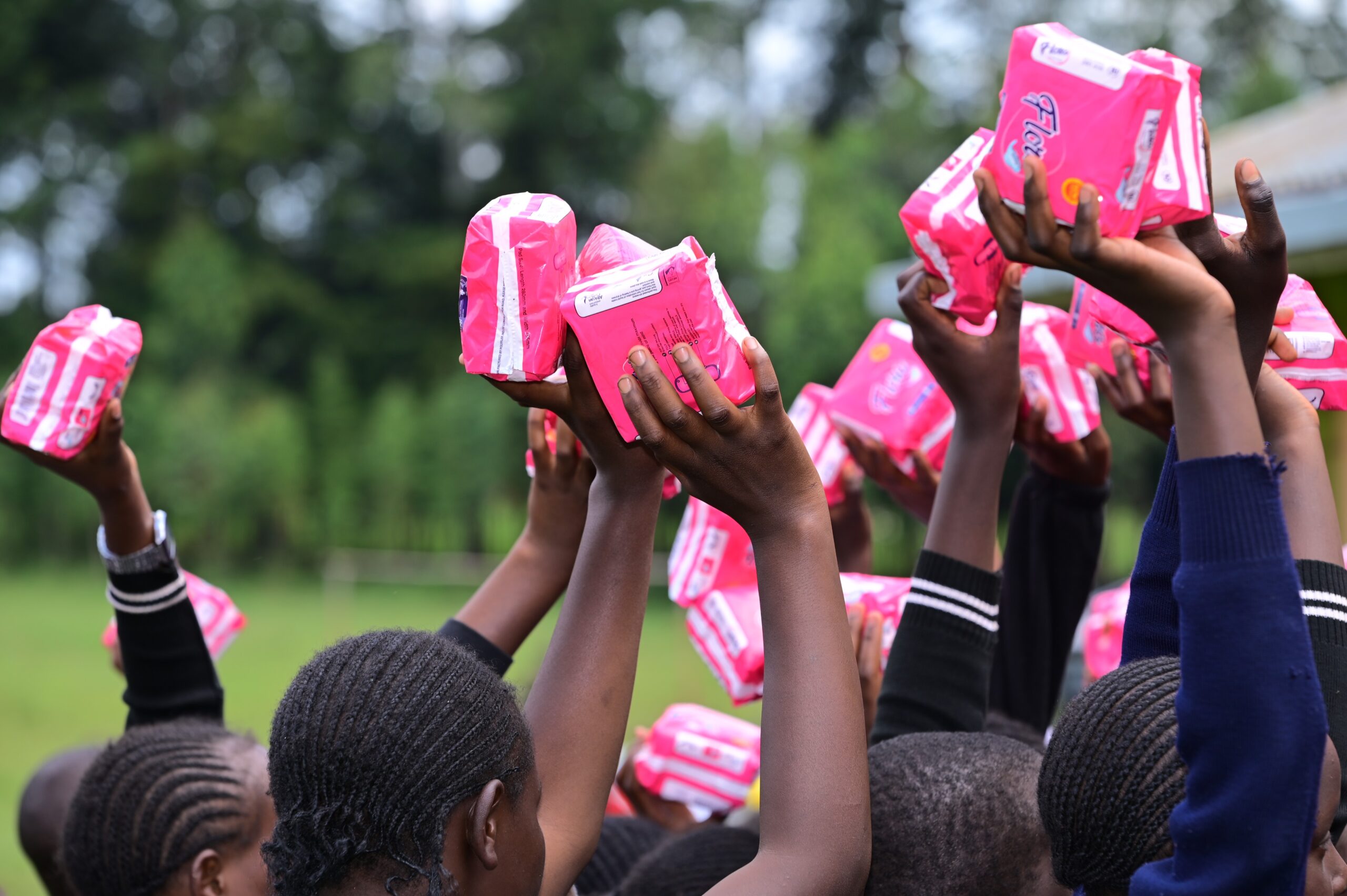
Menstrual health is more than a biological concern—it is a critical issue of dignity, education, and equality. Yet across many communities, menstruation remains surrounded by silence, stigma, and misinformation. For countless learners, this silence creates unnecessary fear, shame, and barriers to learning.
When menstrual health is not openly addressed in schools, learners are left to navigate a natural life process without accurate information or adequate support. The result is often absenteeism, reduced participation, and a decline in confidence—outcomes that can have long-term effects on education and wellbeing.
When Stigma Interferes with Learning
For many young people, the onset of menstruation is accompanied by confusion and anxiety. Cultural taboos and limited access to reliable information can make learners feel isolated or unprepared, especially in school environments that lack safe spaces for discussion.
Fear of embarrassment, teasing, or managing periods without proper supplies can cause learners to withdraw from class, avoid activities, or miss school entirely. Over time, these challenges compound, affecting academic performance and emotional well-being.
Breaking this cycle requires acknowledging a simple truth: menstrual health is a normal part of life and should be treated as such within educational settings.
Creating Safe Spaces for Open and Honest Conversations
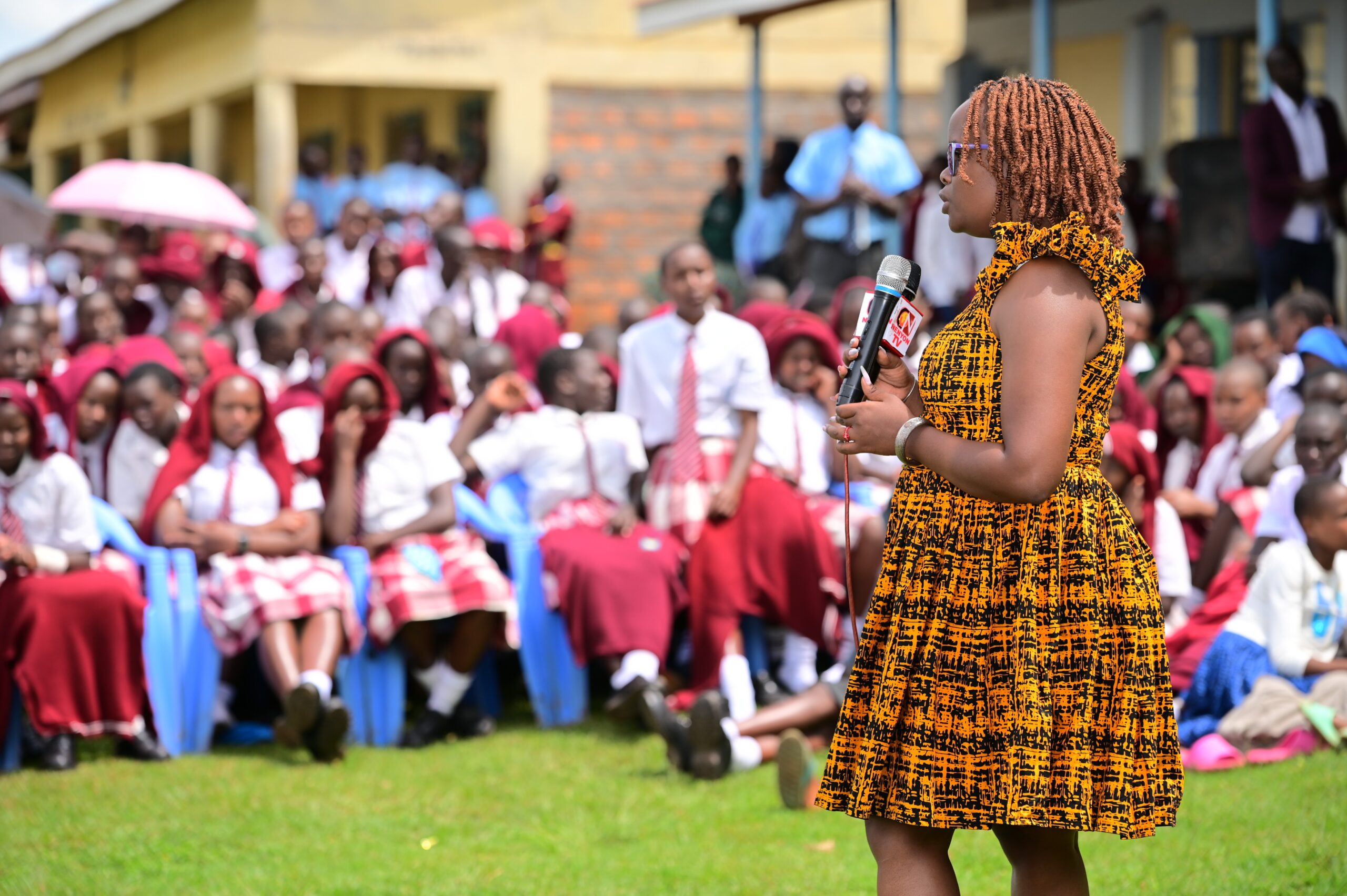
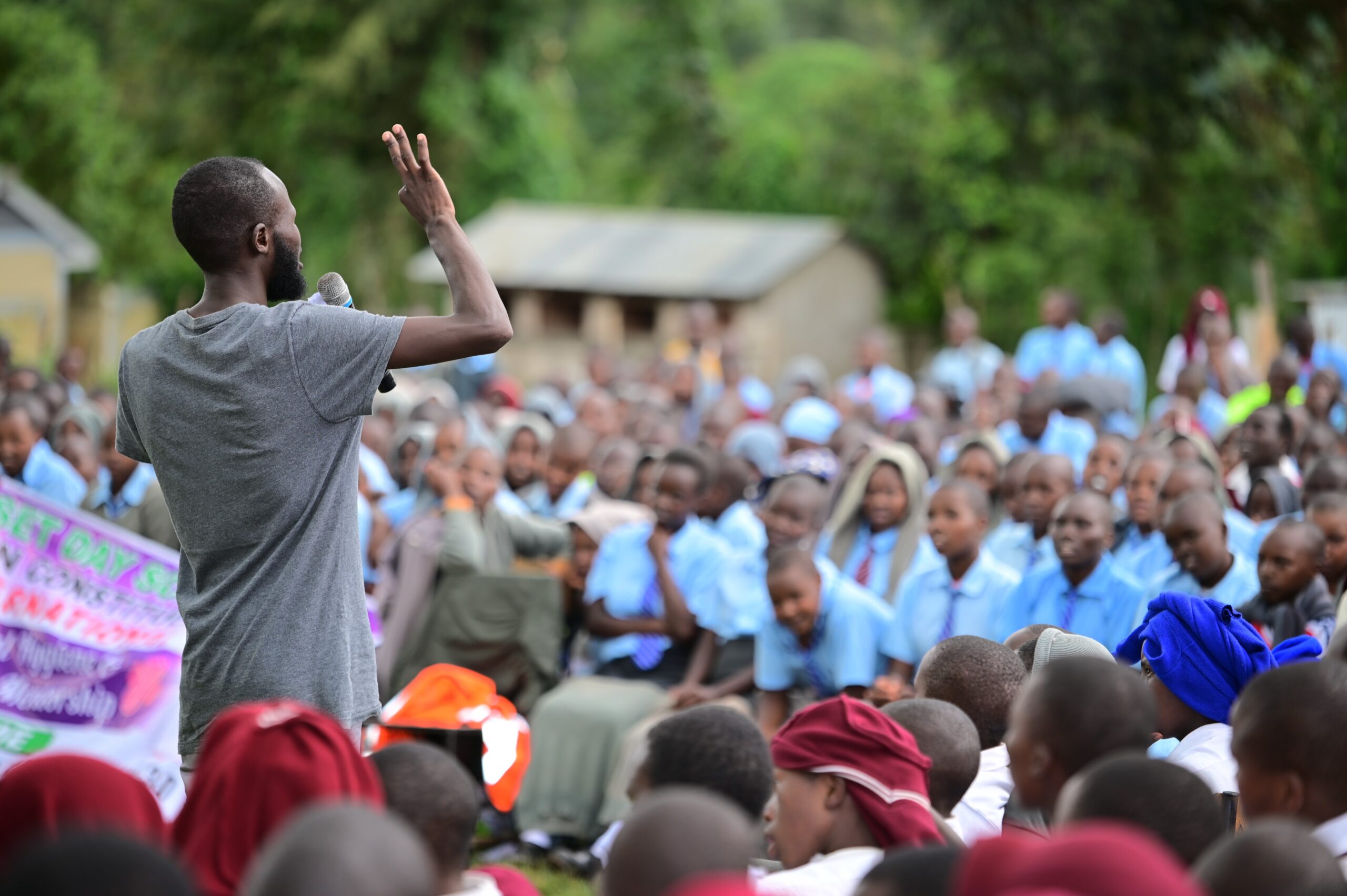
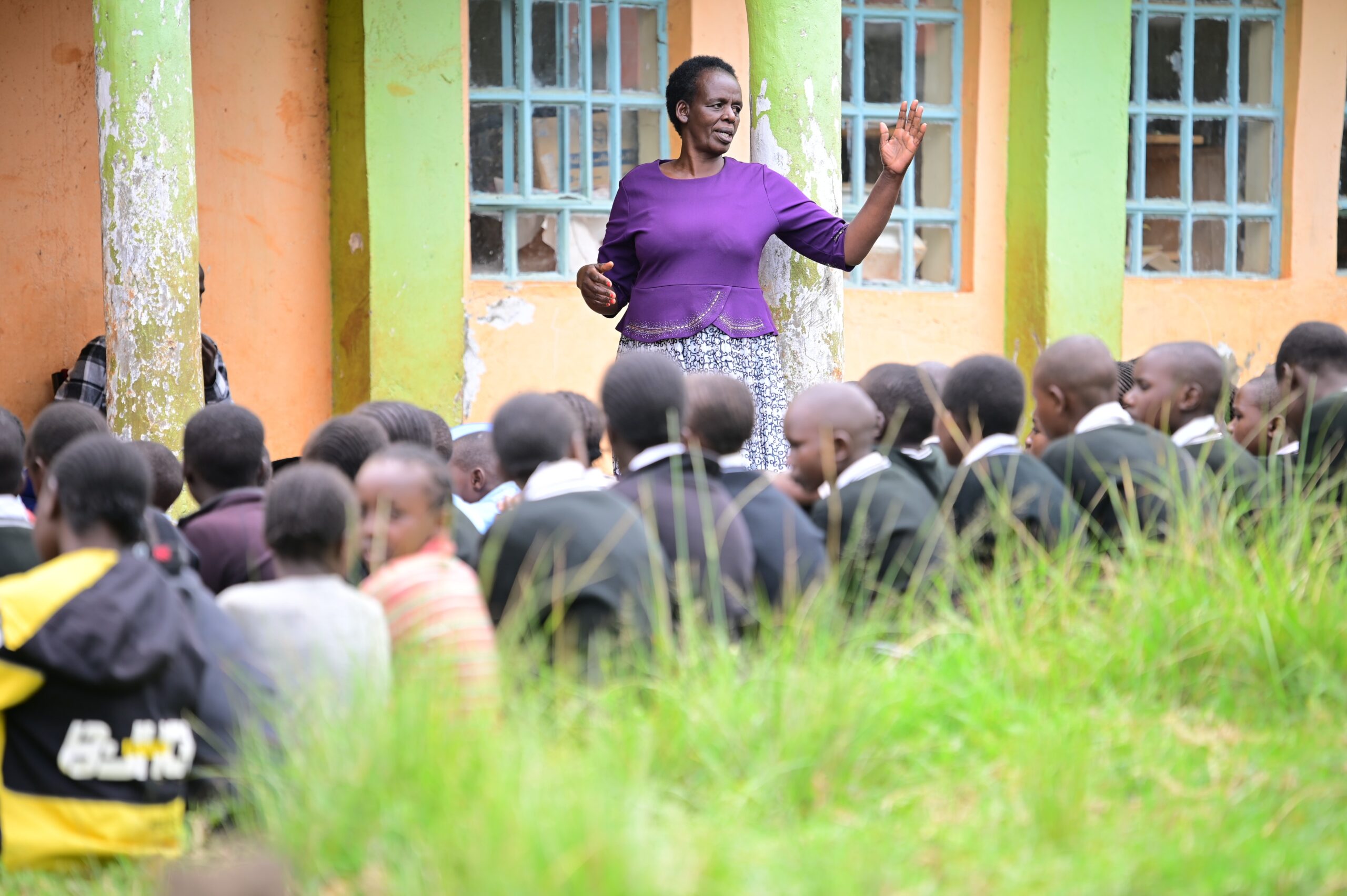
One of the most effective ways to address menstrual health challenges is by creating safe, respectful spaces where learners can ask questions, share experiences, and receive accurate information without judgment.
Open conversations help to:
- Correct myths and misinformation
- Normalize menstruation as a natural biological process
- Build confidence and self-awareness
- Encourage peer support and empathy
When learners feel heard and respected, hesitation gives way to curiosity and understanding. These conversations do more than educate—they empower.
Knowledge Alone Is Not Enough
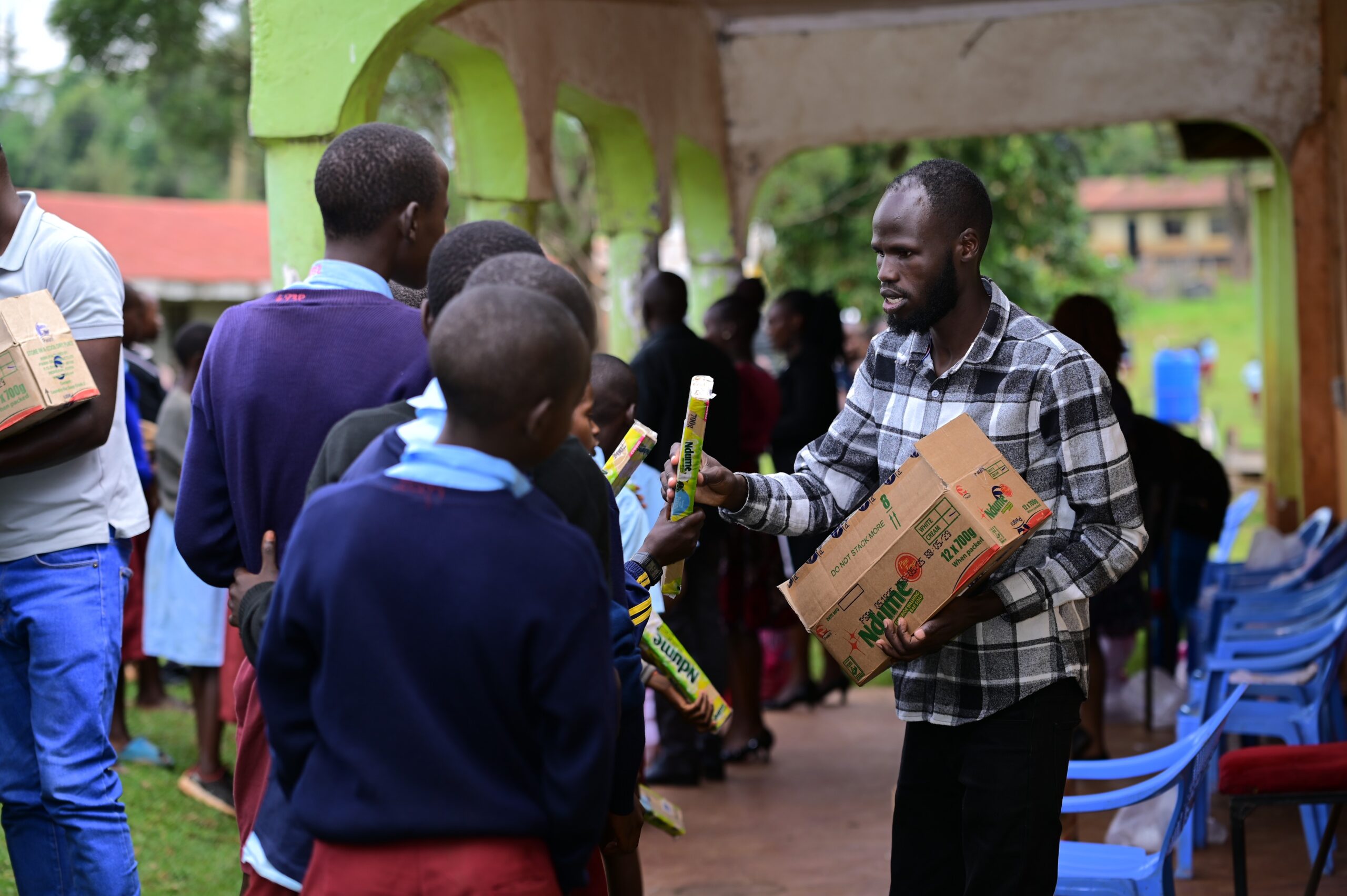
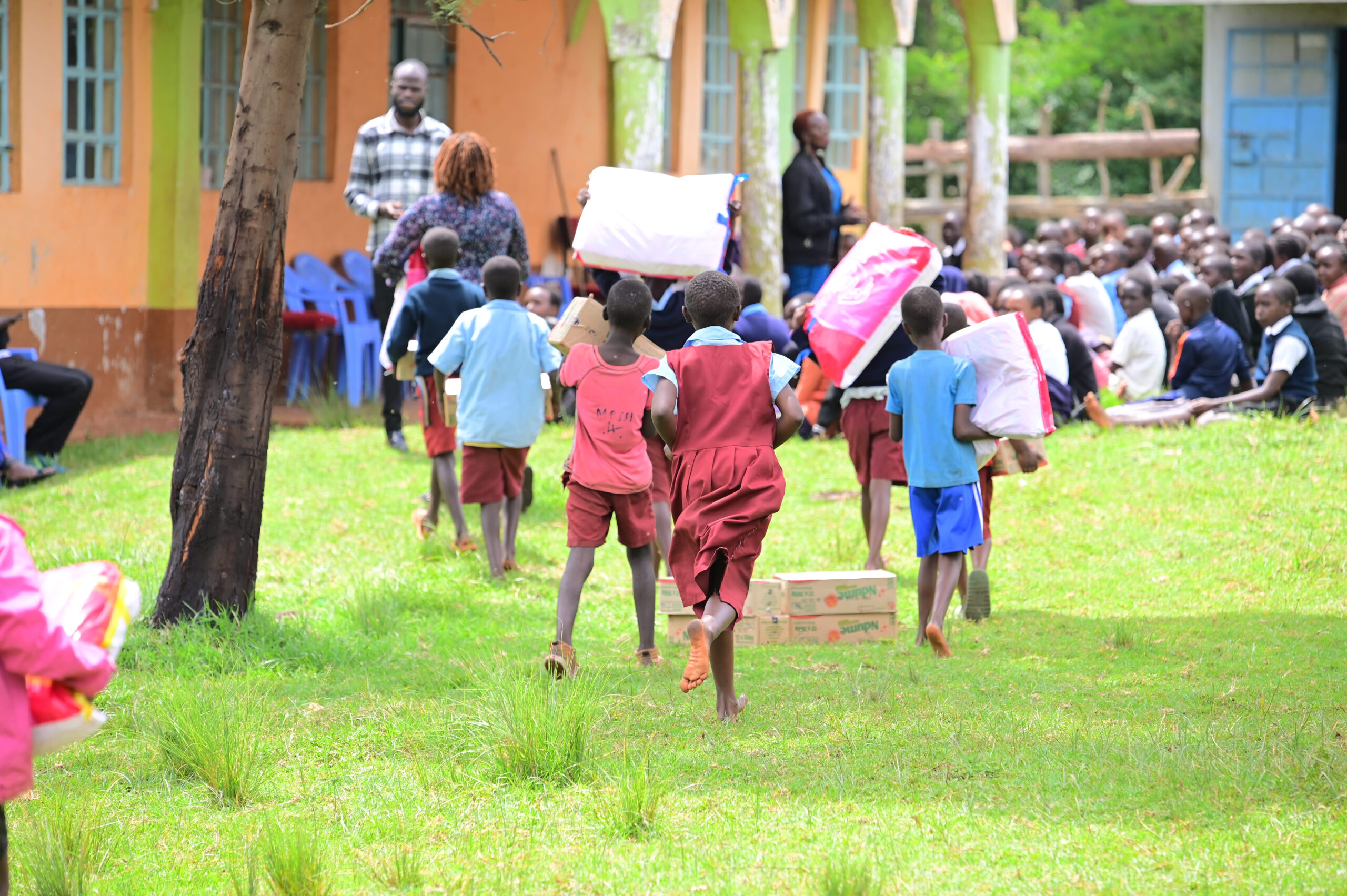
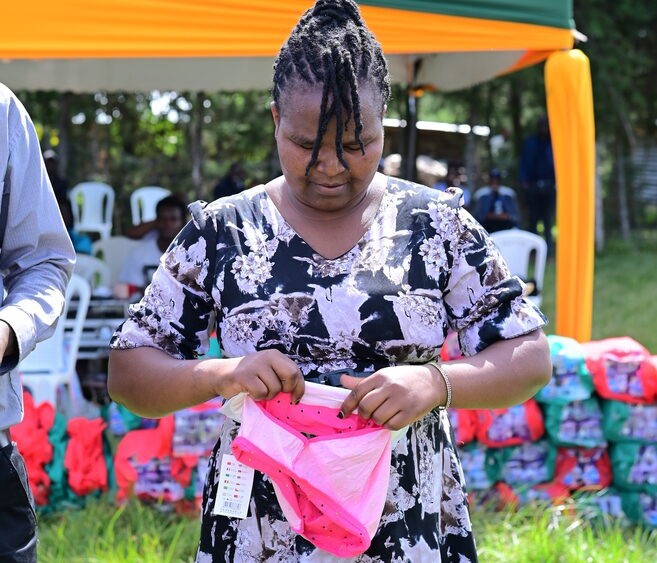
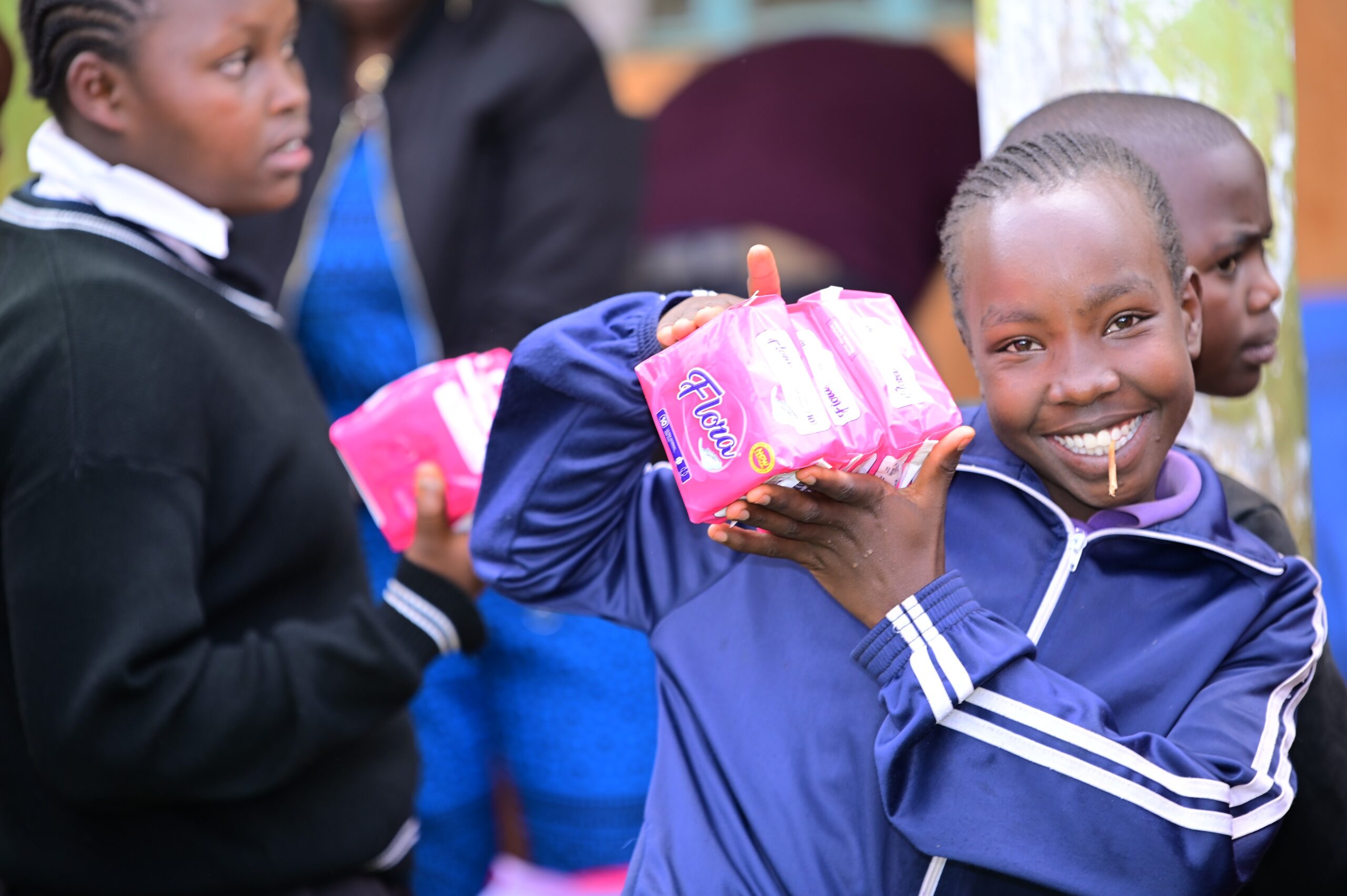
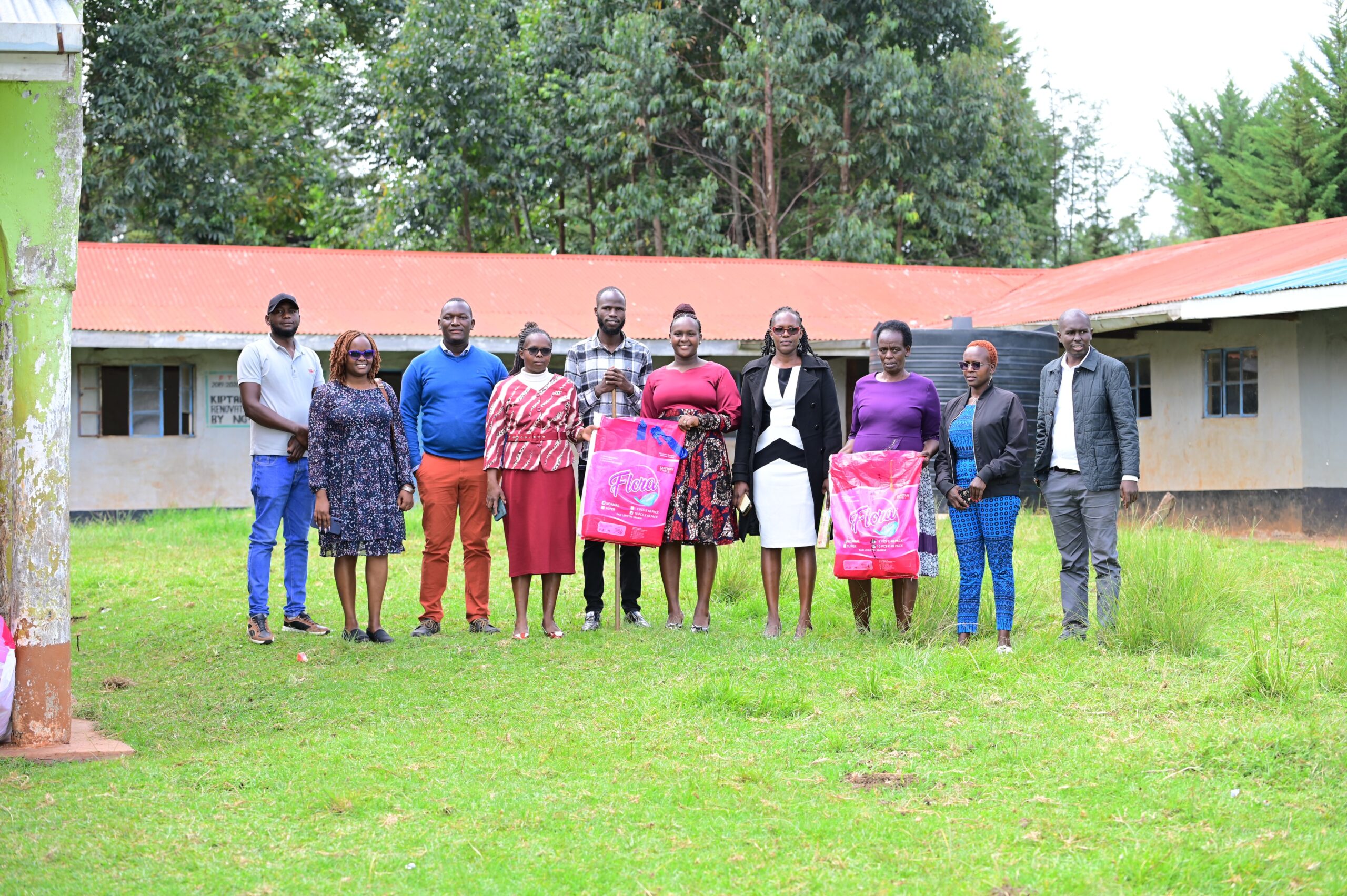
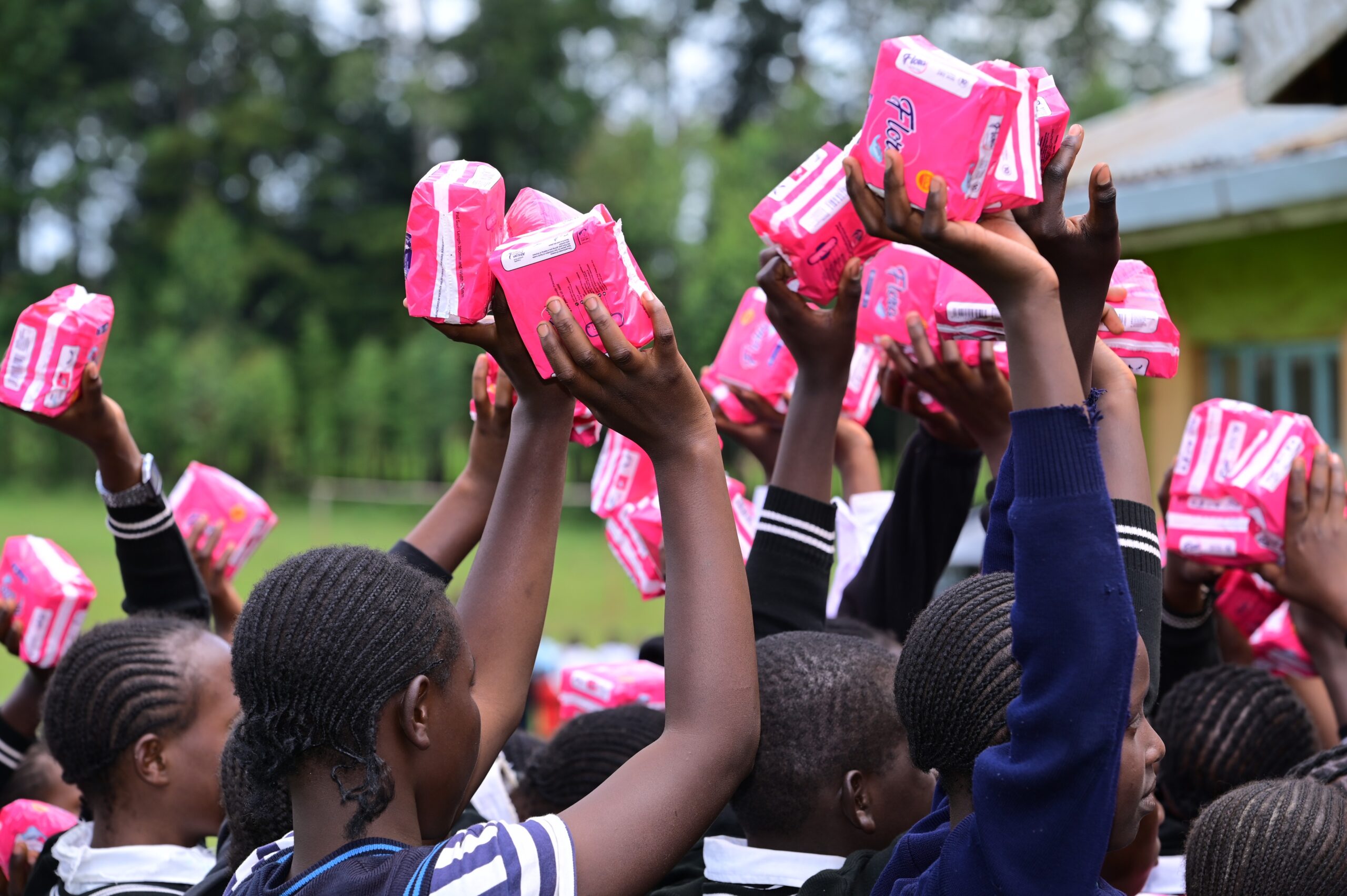
While education is essential, it must be paired with access to practical resources. Without menstrual supplies, sanitation facilities, and guidance on hygiene, even well-informed learners can struggle to manage menstruation with dignity.
Providing both information and resources helps bridge the gap between awareness and action. It ensures that learners are not only knowledgeable but also equipped to apply that knowledge confidently in their daily lives.
Menstrual Health as a Shared Responsibility
Menstrual health should not be treated as an individual burden. It is a shared responsibility involving schools, families, educators, and communities.
When teachers are informed, peers are supportive, and systems are in place to respond to learners’ needs, schools become environments where dignity and wellbeing are protected. Inclusive approaches also help challenge harmful norms and foster understanding among all learners, regardless of gender.

The Long-Term Impact of Menstrual Health Education
When menstrual health is addressed thoughtfully and consistently, the benefits extend far beyond the classroom:
- Improved school attendance and participation
- Increased confidence and self-esteem
- Better health outcomes
- Stronger gender equity in education
Learners who grow up informed and supported carry that confidence into adulthood, becoming advocates for healthier, more inclusive communities.
Moving Forward: From Silence to Support
Breaking the silence around menstruation is not about one conversation or one program—it is about creating lasting cultural change. It requires ongoing education, access to resources, and a commitment to dignity in schools.
By normalizing menstrual health discussions and ensuring practical support, we can create learning environments where no learner feels ashamed or left behind because of their biology.
When we talk openly, we empower. When we support consistently, we transform.